
Choosing an Ethical Volunteer Safari in Africa means swapping the passive “Big Five” checklist for a hands-on role in conservation. It’s about ensuring that your presence provides a net positive for the environment and the local people who call it home. If you are ready to make your next journey count, here are 10 powerful reasons why an Ethical Volunteer Safari in Africa should be your top priority for 2026.
1. Protect Endangered Species with Scientific Precision
On a standard safari, seeing a rhino is a lucky highlight. On an Ethical Volunteer Safari in Africa, you become part of the team keeping that rhino alive. Ethical programs, such as those partnered with organizations like Wildlife ACT, use volunteers to assist in telemetry tracking and data collection. By monitoring the movements of African Wild Dogs, Cheetahs, and Black Rhinos, you provide the “eyes and ears” necessary for anti-poaching units to operate effectively.
2. Move Beyond “Voluntourism” and Into Real Impact
The word “ethical” is the most important part of a volunteer safari in Africa. Many historical programs focused more on the “volunteer’s ego” than the “animal’s welfare”—think cub-petting or lion-walking. In 2026, the gold standard is “no-contact” conservation. By joining a science-led Ethical Volunteer Safari in Africa, you ensure your time and money go toward measurable outcomes like habitat restoration and population censuses rather than exploitative photo-ops.
3. Support Community-Led Conservation
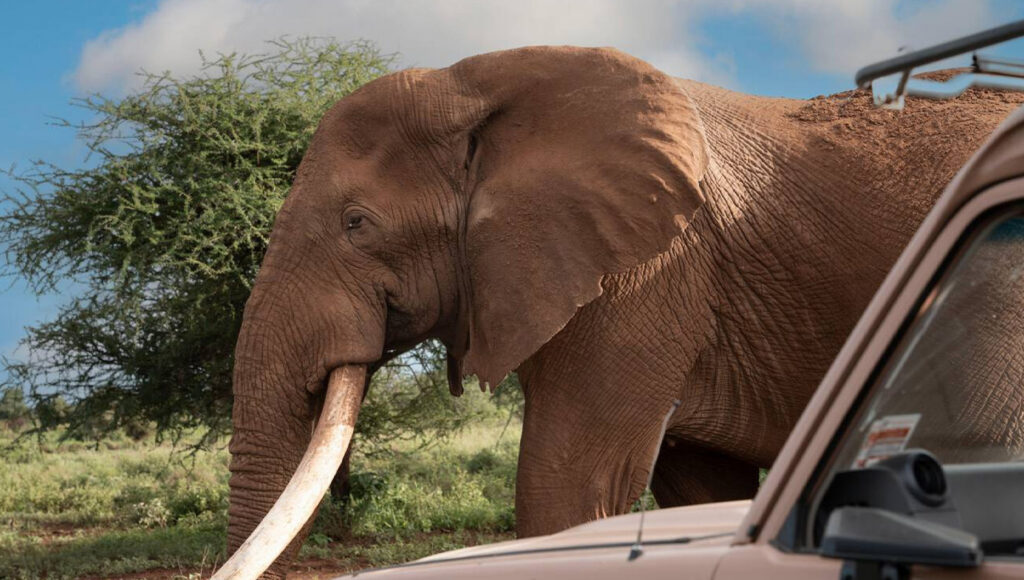
Conservation only works if it benefits the people living alongside the wildlife. An Ethical Volunteer Safari in Africa often takes place within community-run conservancies. In these areas, your volunteer fees directly support local employment, education, and healthcare. When you join an Ethical Volunteer Safari in Africa, you aren’t just helping animals; you are helping build a sustainable economy where a live elephant is worth more to a village than a poached one.
4. Gain Rare Access to Remote Wilderness
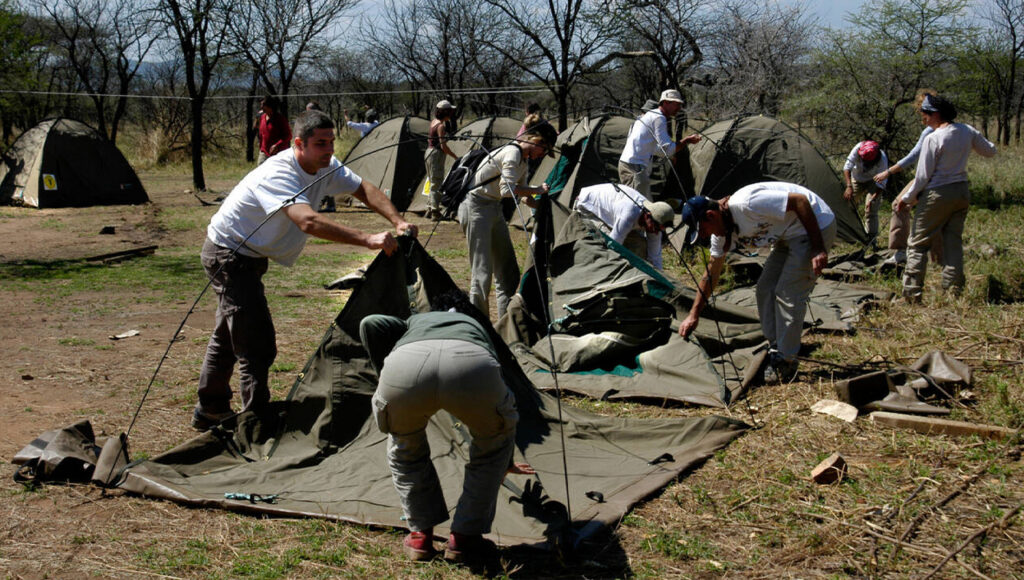
Traditional tourism often funnels thousands of people into the same corners of the Serengeti or Kruger. An Ethical Volunteer Safari in Africa often grants you access to “research-only” zones or private reserves that are closed to the general public. You’ll find yourself in the heart of the bush, miles from the nearest gift shop, surrounded only by the sounds of the African night.
5. Learn From World-Class Conservationists
Forget the scripted speeches of a typical tour guide. On an Ethical Volunteer Safari in Africa, your mentors are the biologists, rangers, and researchers dedicated to the field. You’ll learn how to read tracks, identify bird calls, and understand the complex social dynamics of a pride of lions. This level of education turns a simple holiday into a masterclass in ecology.
6. Contribute to Long-Term Research Data
Science is a marathon, not a sprint. The data you record during your Ethical Volunteer Safari in Africa—GPS coordinates, health observations, and prey counts—is fed into long-term databases. This information is used by governments and NGOs to make critical decisions about land management and species protection. Your two-week stint in the bush becomes a permanent brick in the wall of global conservation.
7. Experience the Thrill of Purpose-Driven Adventure
There is a specific kind of adrenaline that comes from tracking a herd of elephants on foot or checking camera traps at dawn. An Ethical Volunteer Safari in Africa offers all the excitement of a traditional safari but infuses it with a sense of duty. Every game drive has a goal; every sunrise has a purpose.
8. Foster Cross-Cultural Connections
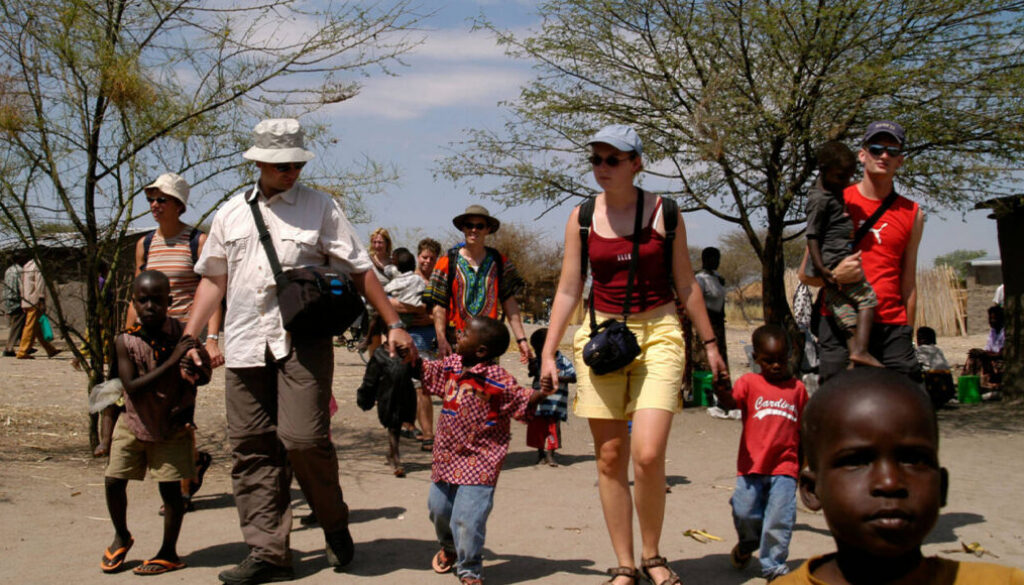
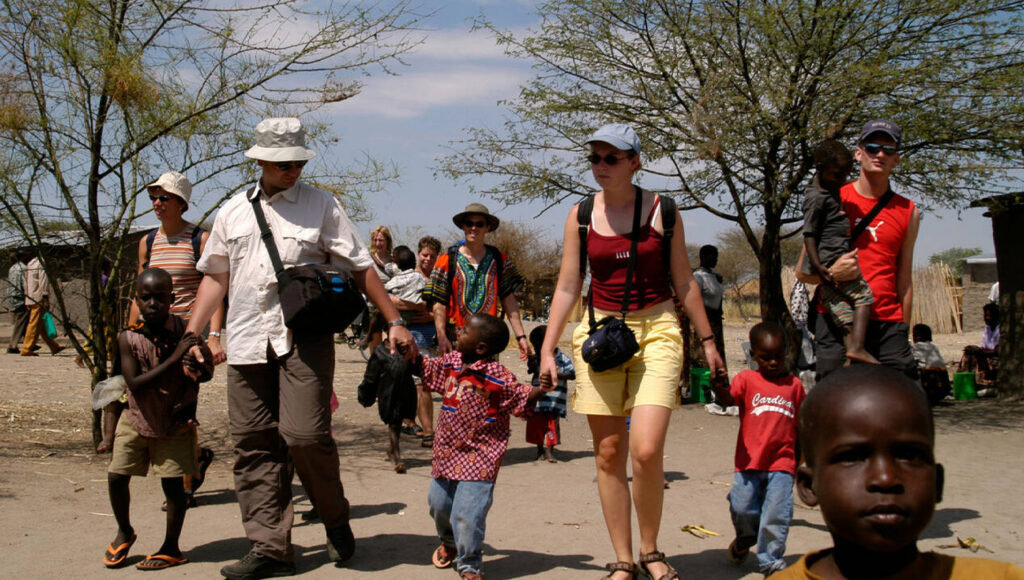
Unlike staying in a fenced-off resort, an Ethical Volunteer Safari in Africa usually involves working side-by-side with local rangers and community members. Whether you are helping repair a school in a Maasai village or learning traditional tracking methods from a Zulu ranger, these authentic human connections are often the parts of the trip that volunteers remember most.
9. Challenge Your Perspective and Grow
Living in a bush camp, away from the digital noise of 2026, is a powerful reset. An Ethical Volunteer Safari in Africa pushes you out of your comfort zone. You’ll learn resilience, teamwork, and a profound respect for the delicate balance of nature. Most people return from an Ethical Volunteer Safari in Africa seeing the world—and their role in it—very differently.
10. Direct Financial Transparency
When you book an Ethical Volunteer Safari in Africa, a significant portion of your fee is reinvested into the project. This covers the fuel for patrol vehicles, the maintenance of tracking collars, and the salaries of local staff. In an era where “greenwashing” is common, an Ethical Volunteer Safari in Africa prides itself on transparency, showing you exactly where your investment goes.
Share this page
[Sassy_Social_Share]

